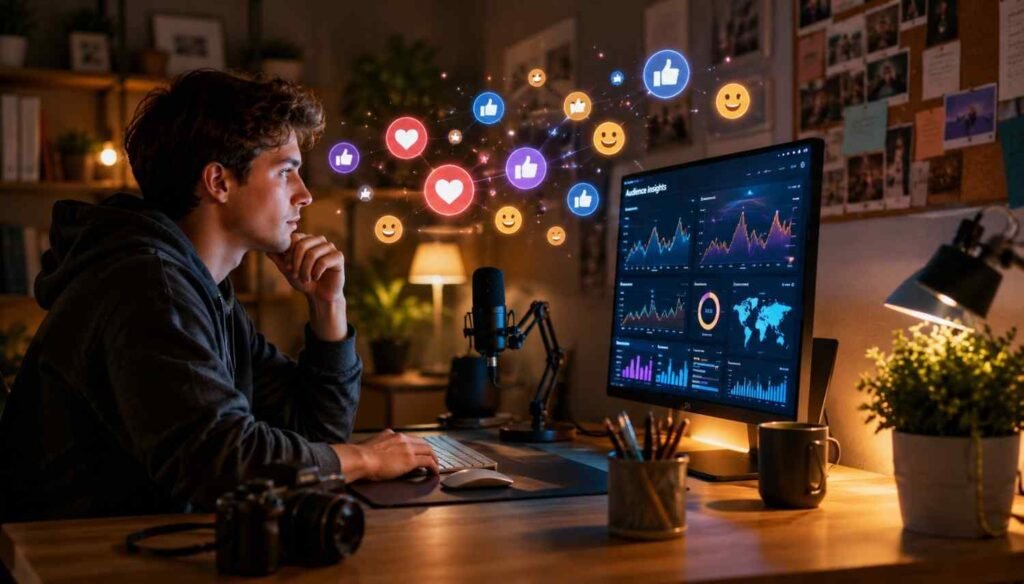
Many creators believe audience engagement is controlled almost entirely by algorithms. When a post performs well, they credit the platform. When it underperforms, they blame the algorithm. While algorithms influence visibility, they don’t decide whether people trust a creator, remember a story, or come back for more. Those decisions are driven by psychology.
Understanding the psychology of audience engagement helps explain why some creators build loyal communities while others struggle despite publishing consistently. Every like, comment, share, or newsletter subscription begins with a human decision. In the creator economy, lasting growth depends less on chasing trends and more on understanding what makes people pay attention, connect emotionally, and return over time.
Attention Is Earned Before Engagement

People scroll through an endless stream of content every day, so the brain quickly filters anything that feels repetitive or unimportant. To stand out, creators need more than useful information. They need to spark curiosity, emotion, or relevance within seconds.
That’s why content with a clear perspective often performs better than content packed with facts alone. When audiences become curious, they’re more likely to keep reading, watch until the end, or join the conversation.
Consistency Creates Trust
Trust is one of the strongest psychological drivers of audience engagement. People naturally associate consistent behavior with reliability. When creators publish regularly, maintain a recognizable voice, and continue delivering value, audiences know what to expect.
Consistency doesn’t require daily posting. It simply means showing up often enough that followers feel confident returning. Over time, that predictability turns casual visitors into loyal readers.
Many creators wonder why audience growth feels slow, but trust develops through repeated positive experiences. Strong communities are usually built over months, not overnight.
Emotion Makes Content Memorable
Facts help people learn, but emotions help them remember.
Research suggests that emotional shifts capture attention because they keep the brain engaged. A story that begins with a challenge and ends with a meaningful lesson creates curiosity while encouraging readers to stay invested.
The strongest emotional connections don’t come from exaggeration. Honest experiences, relatable struggles, and practical insights often leave a greater impact because audiences see themselves reflected in the content.
Storytelling Strengthens Connection

People understand ideas more easily through stories than through instructions alone. When readers imagine real situations and experiences, they become more emotionally involved, making information easier to remember.
This process, often called narrative transportation, explains why storytelling remains one of the most effective audience engagement strategies. Rather than simply presenting advice, creators who share experiences give audiences a reason to care about the message behind the information.
Stories also make educational content feel more natural instead of overly instructional.
Familiarity Encourages Loyalty
The more often people encounter something familiar, the more comfortable it becomes. The same principle applies to content creators.
A consistent writing style, recognizable visuals, recurring themes, and conversational language help audiences immediately recognize a creator’s work. Instead of deciding whether they like every individual post, people begin trusting the creator behind it.
That familiarity reduces uncertainty and makes returning feel effortless.
Community Matters More Than Reach

Large audiences don’t automatically create meaningful engagement. Communities do.
People are more likely to stay engaged when they feel their opinions matter. Asking thoughtful questions, responding to comments, and encouraging conversations create a sense of belonging that simple broadcasting never achieves.
Creators who focus on conversations instead of constant promotion often build stronger audience loyalty because followers feel included rather than marketed to.
Authenticity Builds Long-Term Relationships
Perfect content can impress people, but authenticity helps them relate.
Audiences appreciate creators who admit mistakes, share lessons learned, and allow their personalities to appear naturally. Transparency creates credibility because it feels genuine instead of carefully manufactured.
Authenticity also makes creators more approachable. When expertise is paired with honesty, audiences are more likely to trust recommendations, participate in discussions, and remain engaged over time.
Healthy Boundaries Protect Creativity
Building an engaged audience shouldn’t require constant availability. Reading every comment, monitoring every metric, and responding to every opinion can eventually lead to creative exhaustion.
Many successful creators now establish boundaries by limiting feedback cycles, scheduling time away from social platforms, and separating public performance from personal identity. These habits protect mental well-being while making it easier to create thoughtful content consistently.
Healthy creators are often better equipped to build healthy communities.
Using Psychology to Build Better Engagement

Understanding audience psychology isn’t about manipulating people into clicking. It’s about communicating in ways that match how people naturally think and connect. Creators who focus only on metrics often experience short-lived success, while those who prioritize trust build audiences that continue to grow long after individual posts lose momentum.
The most effective approach is surprisingly simple: solve real problems, communicate consistently, and create opportunities for genuine interaction. Engagement becomes much stronger when people feel they’re part of a conversation instead of being treated like another number on a dashboard.
FAQs: Understanding the Psychology of Audience Engagement in the Creator Economy
1. Why is psychology important for audience engagement?
Psychology explains why people notice, trust, remember, and interact with content. Understanding these behaviors helps creators build stronger relationships instead of depending only on platform algorithms.
2. Does posting more often guarantee better engagement?
No. Consistency matters more than frequency. A reliable publishing schedule builds trust, while posting too often without providing value can reduce audience interest over time.
3. Why does storytelling improve audience engagement?
Stories create emotional connections that make information easier to remember. They help people relate to ideas through experiences, encouraging longer attention and more meaningful interactions.
4. How can creators improve engagement without using clickbait?
Focus on authenticity, helpful content, and conversations with your audience. People are more likely to return when they consistently receive value and feel respected instead of manipulated.
Why People Always Matter More Than Platforms
Algorithms will continue to evolve, but human psychology changes far more slowly. Creators who understand attention, trust, emotion, and belonging are far more likely to build loyal communities than those who focus only on short-term metrics. Every meaningful interaction adds another layer of credibility that no algorithm can replace.
The strongest creator brands don’t simply attract attention—they earn lasting trust.